Heat pump tariffs: how they work and how to choose one
A heat pump tariff gives you cheaper electricity at set times of day. Here is how the types work, what UK suppliers offer, what you need to switch, and how to tell whether one beats the capped standard tariff for your home.
A heat pump tariff is an electricity tariff with cheaper hours every day, and sometimes a dearer 4pm–7pm peak, for homes with a heat pump. It lowers your bill only if enough of your electricity falls in the cheap hours, so test your average rate against the Ofgem price cap of 26.32p/kWh (GB average, direct debit, 1 October to 31 December 2026; no VAT on electricity in Great Britain until 31 March 2027). In our example semi, whose heat pump uses 2,884 kWh a year, each 1p off your average is worth about £29 a year.
At a glance
- Types. Fixed cheap windows with or without a 4pm–7pm peak, half-hourly prices that follow the wholesale market, and the capped standard and Economy 7 tariffs.
- Benchmark. The price-cap rate of 26.32p/kWh for 1 October to 31 December 2026. On a heat pump tariff the supplier sets the rates, and some bands can be above the capped rate.
- What you need. A smart meter that sends half-hourly readings, and usually a heat pump or other electric heating at the address. No second meter.
- How to judge one. Work out the weighted average rate from your own use, add the standing charge, and compare the year's total, not the lowest band.
- Where you live. The price cap covers England, Scotland and Wales; Northern Ireland has its own regulated tariffs.
How heat pump tariffs work
A heat pump can make good use of cheap hours. A hot-water cylinder stores heat for hours, and a house cools slowly, so much of the heat pump's work can be moved to times when electricity is cheaper. Suppliers price those times lower, often in the early morning, the early afternoon and late at night, and some price the 4pm–7pm evening peak higher.
Three things matter before you look at any rates:
- The whole home moves to the tariff. On the tariffs listed below, the cheap and peak rates apply to all the electricity your home uses in those hours, not just the heat pump. Cooking at 6pm on a tariff with a peak costs more.
- The price cap is the yardstick, not the limit. Ofgem's cap limits the unit rates and standing charges of standard variable (default) tariffs, including multi-rate ones such as Economy 7. On a heat pump or time-of-use tariff the supplier sets the rates, and some bands can be above the capped rate.
- Standing charges still apply. You pay a daily standing charge on every tariff, whatever you use.
How much electricity a heat pump uses in the first place, and what that costs at the cap, is worked through in heat pump running costs.
Types of heat pump tariff
| Type | How the price works | Under the cap?Whether Ofgem's price cap limits the unit rates and standing charge | Meter |
|---|---|---|---|
| Standard variable, single rate | One unit rate all day, reset by the cap every three months | Yes | Any |
| Economy 7 and other multi-rate defaults | A cheaper off-peak rate and a dearer peak rate | Yes: together, the two rates can't exceed the cap | Two-rate or smart |
| Fixed single rate | One rate held for the term | No | Any |
| Heat pump time-of-use | Cheaper windows each day, some with a dearer 4pm–7pm peak | Supplier sets the rates; bands can be above the capped rate | Smart, half-hourly reads |
| Half-hourly (agile) | A new rate every half hour, following wholesale prices | Supplier sets the rates; bands can be above the capped rate | Smart, half-hourly reads |
Economy 7's cheap hours are at night, so it rewards a cylinder heated overnight more than space heating, which a heat pump provides through the day as well. Heat pump time-of-use tariffs add afternoon windows. A half-hourly tariff can be very cheap at quiet times and very dear at busy ones, and tomorrow's prices are published only the day before.
Heat pump tariffs from British Gas, EDF, E.ON Next and Octopus
These are examples from the suppliers' own tariff pages, in alphabetical order. It's not a full list or a ranking: rates differ by region, and terms change, so check the tariff's current page before you switch.
| Supplier tariff | Cheaper hours | Peak hours | Terms |
|---|---|---|---|
| British Gas, Heat Power | 1pm–4pm and midnight–7am at half the unit rate, credited to your account weekly | none | Fixed tariff; pay by monthly or quarterly bill, not prepayment; full standing charge; heat pump or electric heating at the address |
| EDF, Heat Pump Tracker | 4am–7am and 1pm–4pm at a fixed discount on its standard rate | none | Rates reviewed every three months with the cap; no exit fees or tie-ins; EDF may ask for evidence such as an MCS (Microgeneration Certification Scheme) certificate |
| E.ON Next, Next Pumped | Super off-peak 10pm–6am; off-peak 6am–4pm and 7pm–10pm | 4pm–7pm | 12-month fixed term, no exit fees; monthly direct debit; heat pump or electric boiler, or one being installed |
| Octopus Energy, Cosy Octopus | 4am–7am, 1pm–4pm and 10pm–midnight (eight hours) | 4pm–7pm | Fixed or flexible versions, rates set as a percentage of the regional flexible rate; heat pump, electric boiler or electric radiators, not necessarily installed by Octopus |
| Octopus Energy, Agile Octopus | Prices change every half hour with the wholesale market, published each day between 4pm and 8pm for the next 24 hours | varies | Maximum unit rate set by the supplier; not a heat pump tariff as such |
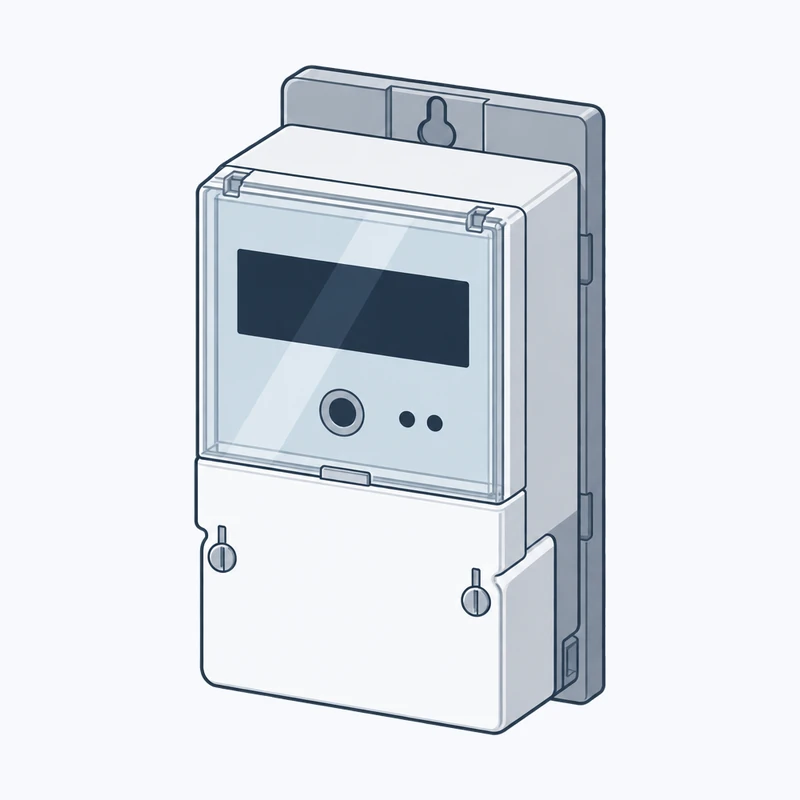
All five need a smart meter; Octopus, EDF and E.ON Next say theirs must send half-hourly readings. Octopus accepts second-generation (SMETS2) and some first-generation smart meters. Octopus and EDF both say connecting your meter usually takes around 14 days.
Heat pump tariff comparison: how to judge one against the price cap
A tariff's lowest band says little on its own. What counts is the average you pay across the kWh you really use, weighted by when you use them:
Weighted rate = (kWh in cheap hours × cheap rate + kWh at other times × other rate + kWh in the peak × peak rate) ÷ all kWh
Your smart meter's half-hourly data, which suppliers can show in their app or online account, tells you how your use splits across the day.
For illustration only: suppose 30% of a heat pump's electricity falls in hours priced 10p below the rate it would otherwise pay. Its weighted rate is then 0.3 × 10p = 3p lower, which in our example home, with a seasonal coefficient of performance (SCOP) of 2.8, would cut the heat pump's electricity bill by 2,884 kWh × 3p = £87 a year, before any difference in standing charge, peak-hour use or efficiency. If the house and cylinder could hold enough heat to move 60%, it would be 6p and £173. The same arithmetic runs the other way for the rest of the house: if 500 of its typical 2,500 kWh fell in a peak priced 10p higher, that would add 500 × 10p = £50.
Then add the standing charge. Some heat pump tariffs use their own, so compare the year's total:
Year's cost = all kWh × weighted rate + 365 × daily standing charge
To see what a tariff has to beat, here is the weighted rate at which our example heat pump costs the same to run as the existing gas boiler. The example home is a 1970s semi in England using 9,500 kWh of gas a year at an assumed 85% boiler efficiency, so 8,075 kWh of heat; gas is at the cap of 7.97p/kWh with a 29.68p daily standing charge (1 October to 31 December 2026).
| SCOP | Heat pump electricity | Gas keptGas supply kept for a hob: the heat pump has to match £757 of gas units | Gas endedGas supply ended: the heat pump has to match £865, units plus the gas standing charge |
|---|---|---|---|
| 2.5 | 3,230 kWh | 23.44p | 26.80p |
| 2.8 | 2,884 kWh | 26.25p | 30.01p |
| 3.1 | 2,605 kWh | 29.07p | 33.23p |
Weighted rate at which the heat pump matches gas
- Price cap, 1 October to 31 December 2026: 26.32p
| SCOP | Gas kept | Gas ended |
|---|---|---|
| SCOP 2.5 | 23.44 p/kWh | 26.80 p/kWh |
| SCOP 2.8 | 26.25 p/kWh | 30.01 p/kWh |
| SCOP 3.1 | 29.07 p/kWh | 33.23 p/kWh |
How to read it: at SCOP 2.8 with the gas supply ended, any weighted rate below 30.01p makes the heat pump cheaper to run than gas in our example, and the capped 26.32p already does. With gas kept for a hob, the heat pump needs a weighted rate below 26.25p, just under the cap. At SCOP 2.5 with gas kept it needs 23.44p, below the capped rate, so the heat pump would have to use enough cheaper hours to get there. These figures compare with the existing boiler; a new, more efficient boiler lowers every rate. The new-boiler comparison, with upfront cost and payback, is in heat pump vs gas boiler.
Which electricity rate beats gas at your SCOP?
Example home: 8,075 kWh of heat a year, so 2,884 kWh of electricity at a SCOP of 2.8. Its gas boiler today costs £865 a year: any rate below 30.01p/kWh beats it.
- Cheaper to run than the gas boiler4 options
- Cap, with 60% of use 10p cheaperFor illustration only, if the house and cylinder can hold the heat: 6p lower£586£279 less a year
- Cap, with 30% of use 10p cheaperFor illustration only: a weighted rate 3p lower£673£193 less a year
- Price cap, one rate all dayOfgem price cap, 1 October to 31 December 2026, Direct Debit£759£106 less a year
- A new gas boiler instead93% efficient, gas at the same rate£800£65 less a year
- The gas boiler today1 option
- Your gas boiler today9,500 kWh of gas at 7.97p/kWh, plus the standing charge of £108£865the benchmark
- Dearer to run than the gas boiler0 options
The electricity standing charge is paid either way and left out. With the gas kept for a hob, its standing charge stays too, so only the gas units count. The 30% and 60% rows illustrate the weighted-rate arithmetic; they are not a supplier’s prices.
What the heat pump in the example home costs to run a year, by electricity rate and SCOP, against the gas boiler.
When a heat pump tariff doesn't pay
A cheaper band is no use if your home can't reach it. The sums tend to go against a heat pump tariff when:
- Little use can move. A small cylinder, or a house that cools quickly, leaves most of the heating at the standard rate or in the peak.
- The household's evening use is high. On a tariff with a 4pm–7pm peak, cooking, washing and lighting at that time cost more, and that can cancel the heat pump's gain.
- The standing charge is higher. A few pence a day more adds up over 365 days and eats into any gain.
- Shifting costs efficiency. Running hotter water to fit heat into short windows lowers the SCOP, so more kWh are bought, even if each one is cheaper.
Fixed or flexible?
A fixed version holds its rates for the term, so you know the price; a flexible or tracker version moves with the market or the supplier's standard rate. Check the exit fees either way. Either way the supplier sets the rates, and a peak band can cost more than the capped rate, so compare the tariff with the cap rather than assuming it is lower.
Switching to a heat pump tariff
- Check your meter. You need a working smart meter that the new supplier can read every half hour. If yours is an older first-generation model, ask whether it can connect; the supplier may offer to install one.
- Check you qualify. The heat pump tariffs above require a heat pump or other electric heating at the address; some accept one that is being installed, and some ask for evidence such as the MCS certificate.
- Check your current deal. Leaving a fixed tariff early can carry exit fees. Weigh them against a year's difference before you move.
- Run your own numbers. Take a few winter weeks of half-hourly data, split it into the new tariff's bands and work out the weighted rate and the year's total, standing charge included.
- Set the heat pump up for it. Move hot water and as much heating as your house allows into the cheap windows, then check the first bills against your sums.
Setting up your heat pump for cheaper hours
Any gain comes from what you shift, not from the tariff name. In rough order of ease:
- Hot water. Heat the cylinder in a cheap window, as stored water keeps for hours. Schedule the Legionella (pasteurisation) cycle, which may use the immersion heater, inside a cheap window too. Cylinder sizes and settings are in heat pump hot water cylinders.
- Heating before a peak. A house holds warmth, so warming it slightly before 4pm and letting it coast through a 4pm–7pm peak can move use out of the dearest hours. It costs a little extra heat, so it pays only when the price gap is large.
- Keep weather compensation on. Shifting heat into short windows can push the flow temperature up, and hotter water lowers the heat pump's efficiency. A schedule that lowers the unit rate but cuts the SCOP may leave the bill no lower. How flow temperature affects radiators and efficiency is in heat pump radiators and heat pump efficiency.
- Appliances. On a whole-home tariff, washing machines, dishwashers and electric car charging can move into the cheap windows as well.
If you already know your tariff, ask your installer to set the schedules when the system is commissioned.
Northern Ireland and the price cap
The price cap and the 26.32p benchmark on this page cover England, Scotland and Wales. Northern Ireland is outside Ofgem's cap: the Utility Regulator reviews Power NI's regulated domestic electricity tariff, which rose by 6.2%, about £64 a year, from 1 July 2026. The supplier examples above are from Great Britain. In Northern Ireland, use the same weighted-rate test with the rates on your own bill and any time-of-use offer a supplier makes you.
Questions to ask a supplier before you switch
The steps above cover your meter and your own numbers; these are for the supplier.
- Cheaper hours. Which hours, at what rate or discount, and whether the supplier can change them during the term.
- Peak. Whether there is a dearer peak, when it runs and its rate.
- Standing charge. The daily charge on this tariff against your current one.
- Term and exit fees. Fixed or rolling, and what leaving early costs.
- Proof of the heat pump. Whether the supplier asks for evidence, such as an MCS certificate, and when.
- Whole home. Whether the cheap and peak rates apply to all your electricity, not just the heat pump.
Figures that change
| What | Value | Applies |
|---|---|---|
| Electricity unit rate under the cap | 26.32p/kWh | Ofgem price cap, GB average, direct debit, 1 October to 31 December 2026; no VAT on electricity in Great Britain until 31 March 2027 |
| Gas unit rate and standing charge | 7.97p/kWh and 29.68p a day | same period, 5% VAT included |
| Next price cap | announced by 25 November 2026 | for 1 January to 31 March 2027 |
| Power NI regulated domestic tariff | up 6.2%, about £64 a year | from 1 July 2026, Northern Ireland |
| Supplier tariff windows and terms | as in the supplier table | the suppliers' own tariff pages; windows and terms can change at any time |
How we worked this out
Supplier rows come from each supplier's own tariff page and describe structure, not prices. Our example home (1970s gas semi in England, 9,500 kWh of gas a year, 85% boiler efficiency, SCOP 2.5 / 2.8 / 3.1, all our assumptions) sets the break-even rates, at Ofgem price-cap rates for 1 October to 31 December 2026; the 30%, 60% and 10p case is an illustration of the arithmetic, not a forecast. More in our editorial method.
Frequently asked questions
Which supplier has the best heat pump tariff?
There is no single answer, and we don't rank them: which tariff costs you least depends on when your home uses electricity and on your region's rates. Work out each tariff's weighted rate from your own half-hourly data, add its standing charge and compare the year's totals with the capped standard tariff.
Do I need a separate meter for a heat pump tariff?
No. The tariffs on this page run on your home's main smart meter, which must send half-hourly readings to the supplier. The cheap and peak rates then apply to everything the home uses in those hours.
Is a heat pump tariff worth it?
Only if enough of your electricity falls in the cheap hours. In our example home, whose heat pump uses 2,884 kWh a year at SCOP 2.8, every 1p off your average rate is worth about £29 a year, but evening use in a peak, a higher standing charge or hotter water to fit short windows can cancel it. Use the weighted-rate test above, and compare the year's total with the capped standard tariff, 26.32p/kWh for 1 October to 31 December 2026.
Is Economy 7 good for a heat pump?
It can suit a cylinder heated overnight, but a heat pump also heats the house through the day, outside Economy 7's night hours. Default Economy 7 rates are under the price cap; check the weighted rate across your real use, as with any tariff.
Can I get a heat pump tariff if the supplier didn't install my heat pump?
Usually yes. Octopus says the heat pump doesn't need to have been installed by it, and E.ON Next accepts one that is being installed. EDF may ask for evidence such as an MCS certificate or a photo.
What is the Cosy Octopus tariff?
A heat pump time-of-use tariff from Octopus Energy with three cheaper windows totalling eight hours (4am–7am, 1pm–4pm and 10pm–midnight) and a 4pm–7pm peak. It comes in fixed and flexible versions, with rates set as a percentage of the flexible rate in your area, and needs a smart meter that sends half-hourly readings. The supplier table above has the other terms.
Read next
Reading time: 14 min
Heat pump running costs
Heat pump running costs in our example 1970s semi: 2,884 kWh and £759 a year at SCOP 2.8, £850 at 2.5 and £686 at 3.1 (Ofgem price cap, 1 October to 31 December 2026), against £865 for gas including a £108 standing charge that ends only if the gas supply is disconnected, as we assume.
Read moreHeat pump running costs
Reading time: 15 min
Heat pump vs gas boiler
Heat pump vs gas boiler in our example 1970s semi: running costs at the October to December 2026 price cap against the current boiler and a new one, break-even SCOPs, the extra cost after the £7,500 grant in England and Wales if your home qualifies, payback, 20-year totals and when it isn't worth it.
Read moreHeat pump vs gas boiler
Reading time: 14 min
Heat pump hot water cylinder
Hot water cylinders for heat pumps: MCS sizing (45 litres a day per person), cylinder sizes by bedrooms and heat pump size, space and weight, unvented G3 rules by nation, legionella and the immersion heater, a worked example and standalone hot water heat pumps.
Read moreHeat pump hot water cylinder
Reading time: 14 min
Heat pump efficiency
COP, SCOP and SPF explained with a UK datasheet, the Electrification of Heat field results (median 2.78 across 428 homes), the Boiler Upgrade Scheme's SCOP 2.8 minimum (England and Wales) and a meter-reading example.
Read moreHeat pump efficiency
Reading time: 15 min
Heat pump radiators
Radiator output at heat-pump temperatures with Stelrad's ΔT factors, MCS room-by-room sizing, two rooms of our example semi worked through, flow temperature and England's 55 °C design rule, weather compensation, balancing and a checklist.
Read moreHeat pump radiators